

Skincare Routine Upgrades That Can Make a Real Difference
Small, targeted changes to your skincare routine produce bigger results than a dozen new products. This post focuses on practical upgrades you can adopt immediately—no fads, no complex protocols—just evidence-informed habits and product choices that protect skin, restore barrier function, and improve texture over weeks.
If you want a place to shop specific, reliable categories as you make upgrades, start with the basics in the Skin Care section—look for gentle cleansers, proven actives, and straightforward moisturizers rather than trend-driven items.
1. Solidify a simple daily routine: cleanse, treat, protect
Consistency beats complexity. Aim for a two-step morning routine (gentle cleanse, sunscreen) and a three-step evening routine (cleanse, targeted treatment, moisturizer). This simple framework ensures you’re not overloading skin and that each product serves a clear purpose.
Choose a lightweight, non-comedogenic moisturizer with barrier-supporting ingredients for daily use. For many skin types, a gel-cream with niacinamide and ceramides offers hydration without heaviness—consider options like the BYOMA Moisturizing Gel Cream if you prefer a light, barrier-focused formula.
2. Upgrade cleansing and exfoliation—less irritation, more results
Switching to a gentle, pH-balanced cleanser reduces irritation and preserves the skin barrier. Avoid harsh scrubs and high-alkaline soaps. For exfoliation, favor chemical exfoliants (low-concentration AHA or BHA products used 1–3× weekly) over daily physical scrubs.
If you’re refreshing your product kit, check trusted categories for cleansing and exfoliating options in the Personal Care section—look for clear ingredient lists and non-irritating bases.
3. Use targeted actives—apply them in the right order and frequency
Introduce one active at a time and track how your skin responds. A practical order of introduction: vitamin C (antioxidant) in the morning, retinoids or bakuchiol in the evening (cell turnover), and acids for spot exfoliation. When combining actives, alternate nights to minimize inflammation.
Layering tip: on damp skin, apply lightweight serums before richer creams. Allow each layer to absorb—this ensures potency and avoids pilling. If sensitivity occurs, step back to every-other-night use or dilute with moisturizer until tolerance builds.
4. Prioritize barrier repair and hydration
A healthy skin barrier reduces redness, transepidermal water loss, and sensitivity. Use products with ceramides, cholesterol, fatty acids, and humectants (glycerin, hyaluronic acid). When skin feels tight or reactive, simplify to a minimal barrier-repair-focused regimen for 2–4 weeks.
Don’t neglect the body—scaling, dryness, and fissures affect overall comfort and appearance. For intensive body hydration and repair, reliable, emollient-rich creams like the Bum Cream moisturizing body cream can be used on dry patches and areas that need extra barrier support.
5. Add thoughtful tools and treatments, not gimmicks
Low-risk additions can amplify results: a soft cleansing brush for gentle lift (used sparingly), a silicone patch for spot hydration, or facial massage tools to boost circulation. Avoid daily aggressive devices; less-frequent, measured use is safer and more effective.
If you enjoy at-home pampering, explore proven recovery and self-care options in the Massage & Spa category—opt for tools that emphasize relaxation and circulation rather than abrasive exfoliation.
6. Night routine, sleep, and stress—how lifestyle upgrades help skin
Skin regeneration is tied to sleep and stress levels. Prioritize consistent sleep and minimize late-night blue light exposure, which can disrupt circadian rhythms. When stress spikes, you’ll see it in texture changes, breakouts, or dullness—so pairing skincare with stress management pays off.
Consider sleep and stress aids as part of your broader wellness toolkit; browse low-intervention supports in Stress Relief & Sleep Aids if you need options to improve rest and reduce nighttime skin disruption.
7. Fragrance, sensorial choices, and mindful product selection
Scented products can make routines enjoyable, but fragrance and essential oils are frequent irritants. If you’re sensitive, choose fragrance-free formulas. For those who tolerate scent, select products with mild, well-formulated fragrances or natural options used at low concentrations.
If you like aromatherapy as part of self-care, choose subtle, high-quality sets like the Season Essential Oil Set and use them in a diffuser rather than applying directly to the face.
Checklist: Quick routine upgrades to implement this week
- Switch to a gentle, pH-balanced cleanser; stop scrubbing with harsh exfoliants.
- Add broad-spectrum SPF every morning—even on cloudy days.
- Introduce one active at a time; start low frequency and increase slowly.
- Use a barrier-supporting moisturizer (ceramides, niacinamide) twice daily.
- Limit fragranced products on sensitive areas; test new products on a patch.
- Prioritize 7–8 hours of sleep and simple stress reduction techniques.
Practical product categories to explore
When replacing or upgrading items, shop categories that emphasize fundamentals: cleansers, moisturizers, sunscreens, and proven actives. For broad wellbeing that supports skin health indirectly—such as relaxation, sleep aids, or stress reduction—look through the Wellness & Self-Care options to complement topical care.
FAQ
- How soon will upgrades show results? Expect subtle improvements in hydration and texture within 2–4 weeks; barrier repair and pigmentation changes can take 8–12 weeks.
- Can I combine vitamin C and retinol? Yes, but not always at the same time. Use vitamin C in the morning and retinol at night, or alternate to reduce irritation.
- What if my skin reacts to a new product? Stop the product, simplify to gentle cleansing and moisturization, and reintroduce ingredients one at a time after skin calms.
- Are natural oils better for dry skin? Some oils help, but choose non-comedogenic options and prioritize formulations with scientific backing; for very dry or compromised skin, barrier-focused creams usually perform better.
- Do I need expensive tools or devices? No—consistent use of quality basics outperforms costly gadgets. If you buy tools, prioritize those with demonstrated benefits and minimal risk of irritation.
Smart skincare is about choices that protect, repair, and are sustainable for your lifestyle. Start with one or two upgrades—better cleanser, consistent SPF, and a barrier-repair moisturizer—and add carefully from there. For reliable shopping on essentials and complementary self-care items, visit the related categories like Personal Care and consider occasional aromatherapy from the Essential Oils & Diffusers collection if you use scent safely.
Takeaway: simplify, protect, and be consistent—those three upgrades will deliver the most visible benefits over time. If you want product ideas that fit these principles, explore the straightforward options in Stress Relief & Sleep Aids and the targeted options in Massage & Spa to support recovery and relaxation alongside your skincare routine.
Products Featured in This Article


Bum Cream, Moisturizing Physique Cr…
Super cute bottle design: Buttocks Cream has a super cute appearance and a very nice touch….
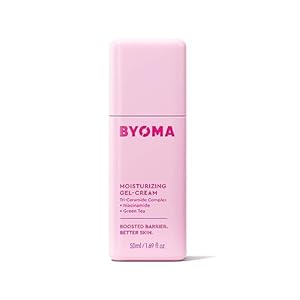
BYOMA Moisturizing Gel Cream –…
BARRIER BOOSTING: Blending our unique barrier boosting Tri-Ceramide Complex (ceramides, cholesterol, fatty acids) with superstar actives…