
Fitness Recovery Gear for Sore Muscles and Daily Comfort
Whether you’re training for performance or just moving more in day-to-day life, sore muscles are part of progress. The right recovery gear shortens downtime, reduces discomfort, and makes consistent activity more sustainable. This guide breaks down practical, evidence-informed options you can use at home to feel better faster and stay comfortable between sessions.
Below you’ll find straightforward recommendations for tools, clothing, topical care, and home setup—plus a simple checklist to get started and a short FAQ for common concerns.
Why focused recovery matters
Recovery isn’t rest alone; it’s a strategy that includes movement, sleep, hydration, and intentional self-care to help tissues recover and adapt. Investing a little in targeted gear—foam rollers, compression wear, or a quality speaker for guided breathing—can make your routines more consistent and your soreness more manageable. If you’re exploring broader self-care options alongside recovery, check product ideas in Wellness & Self-Care.
Essential tools: foam rollers, massage tools, and stretching aids
Start with basic mechanical tools that increase circulation and release tight spots: a medium-density foam roller for quads and back, a lacrosse ball for trigger points, and a percussion massage device for stubborn knots. For at-home spa-style options and professional-grade rollers and massagers, browse the Massage & Spa selection—these tools offer varying intensity levels so you can progress safely.
Comfort-focused clothing and sleep support
What you wear during recovery matters. Compression tights, soft recovery socks, and loose, breathable layers reduce friction, support circulation, and make seated rest or light activity more comfortable. Look for comfortable, stretch-friendly options in the Clothing collection.
Recovery also depends on quality sleep. Short-term sleep aids can help reset a sleep pattern after intense training blocks; one over-the-counter option often used for occasional sleep support is Nature’s Bounty melatonin. Use sleep aids judiciously and prioritize sleep hygiene—consistent bedtimes, cool dark rooms, and limited screens before bed.
Topicals and skin care: soothe and support recovery
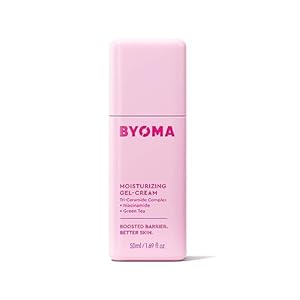
After a hard session, simple topical care reduces surface irritation and helps preserve skin health where friction and sweat are common. Lightweight, non-greasy moisturizers and barrier-repair creams reduce itching and dryness—especially if you use braces, tape, or banding. A practical option for daily skin support is the BYOMA Moisturizing Gel Cream, which absorbs quickly and is suitable for sensitive areas after sweat-heavy sessions.
Aromatherapy and relaxation aids for tension relief
Mind-body recovery complements mechanical approaches. Short guided breathing sessions, gentle stretching, and calming scents reduce perceived soreness and improve relaxation. Essential oils don’t replace physical methods but can enhance the restful environment. For a compact set to try at home, consider the Season Essential Oil Set—pair diluted drops with a diffuser and a 10–15 minute breathing routine to wind down after tougher workouts.
Storage and home setup: organize to encourage consistency
A tidy, accessible recovery space makes it easier to perform daily rituals. Keep rollers, bands, and pillows organized and within reach so you’re less likely to skip them. A multi-use organizer such as the Mythinglogic Yoga Mat Storage Rack stores mats, rollers, and small equipment neatly — ideal for a corner of the living room or home gym.
Smart add-ons: audio, timers, and gentle tech
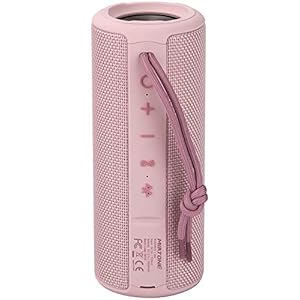
Small tech items make recovery routines easier to stick to. Use a portable speaker for guided mobility sessions, podcasts, or calming music during stretches and sleep routines. A durable, waterproof option like the MIATONE portable Bluetooth speaker is great for indoor and outdoor recovery sessions—easy to move, loud enough for outdoor breathing drills, and simple to pair with a phone-based timer or app.
Integrating tools into a simple daily routine
Use tools in short, consistent blocks rather than long, infrequent sessions. A practical daily template:
- 5–10 min gentle mobility warm-up (bodyweight movements)
- 5–10 min targeted foam rolling or massage on sore areas
- 5–10 min stretching or breathing with a calming scent
- Sleep hygiene, including a cool, dark environment and consistent schedule
Quick checklist: must-have recovery items
- Medium-density foam roller
- Massage ball (lacrosse or similar)
- Percussion device or hand massager (optional)
- Breathable, compressive recovery clothing
- Non-greasy moisturizer or barrier cream
- Essential oil diffuser or compact oil set
- Storage rack to keep gear visible and accessible
- Portable speaker for guided sessions
FAQ: Practical questions about recovery gear
How often should I use a foam roller?
Short sessions (5–10 minutes) on sore areas after workouts or on rest days are effective. Focus on mobility and light pressure rather than long, painful sessions.
Are massage guns safe to use every day?
Used at low-to-moderate intensity, massage guns can be part of daily recovery, but avoid direct, high-intensity use on acute injuries or bony areas. Stop if you experience sharp pain or bruising.
Do compression garments actually help soreness?
Compression can reduce swelling and improve comfort for many users. It’s most useful during long periods of standing or after endurance sessions; choose breathable fabrics and proper fit.
Can essential oils speed muscle recovery?
Oils don’t change tissue repair, but they can improve relaxation and perceived soreness when combined with breathing or rest routines. Use diluted oils and avoid contact with broken skin.
How should I store recovery gear at home?
Keep frequently used items like rollers and bands visible and accessible to encourage use—storage racks and baskets work well for compact spaces.
Conclusion: A practical takeaway
Small, consistent investments in recovery gear—smart rollers, breathable clothing, simple topicals, and an organized space—pay off by reducing friction points that make activity unpleasant. Start with one or two tools from the checklist, build short daily habits, and adjust as your needs change. Consistency and comfort will keep you moving more often and feeling better between workouts.
Products Featured in This Article

Mythinglogic Yoga Mat Storage Racks…
Metal 【STORAGE VARIOUS ITEMS】: This workout storage organizer can help to store your yoga mat, dumbbells,…
MIATONE Out of doors Transportable …
[Immersive Sound] Featuring MIATONE unique audio processing, the sound quality of BOOMBOX bluetooth speaker is significantly…


Nature’s Bounty tablets melat…
Nature's Bounty tablets melatonin 10mg sleep bottle drug free
BYOMA Moisturizing Gel Cream –…
BARRIER BOOSTING: Blending our unique barrier boosting Tri-Ceramide Complex (ceramides, cholesterol, fatty acids) with superstar actives…