
Fitness Gear That Helps You Stay Active Without Going to the Gym
Staying active outside a gym only requires a few well-chosen pieces of gear, a bit of knowledge, and consistent habits. The right equipment helps you train effectively in small spaces, outdoors, or while traveling—without expensive memberships or crowded classes.
This guide focuses on practical, versatile items that deliver big results: resistance, cardio, stability, tracking, and recovery tools that fit into everyday life. Each section explains what to buy, why it works, and how to use it efficiently.
1. Versatile resistance tools: bands, bodyweight, and compact strength gear
Resistance bands, suspension trainers, and a compact chest expander give you scalable strength work that fits under a bed or in a drawer. Bands let you do rows, presses, squats, and assisted pull-ups with minimal footprint. For people who want a more mechanical option at home, consider targeted equipment like the EAST MOUNT Tornado Arm Exerciser, which is adjustable and useful for upper-body resistance training when space is limited.
2. Efficient cardio tools you can use anywhere
Cardio doesn’t require a treadmill. A good jump rope, hill sprints, cycling, or brisk walking powerfully boost heart health and calorie burn. If you prefer structured sessions, interval sprints and tabata cycles with a skipping rope are time-efficient and portable.
Music and pacing matter for motivation—compact waterproof Bluetooth speakers make outdoor or at-home sessions more enjoyable. A dependable option is the MIATONE Outdoor Portable Bluetooth Speaker, which is easy to clip onto a backpack or set near your workout area.
3. Strength and stability in small spaces
Adjustable dumbbells, kettlebells, a stability ball, and sliding discs provide a full-body strength routine without a rack of plates. Kettlebell swings, goblet squats, RDLs, and farmer carries build power and endurance in minimal room.
Keeping gear tidy prolongs its life and keeps motivation high. A compact organizer helps you store mats, bands, and small weights so workouts remain frictionless—consider the Mythinglogic Yoga Mat Storage Rack to keep everything accessible and off the floor.
4. Track progress and keep form honest with tech
Wearables, simple heart-rate monitors, and action cameras help you monitor intensity and technique. A wrist tracker or phone app can log intervals, heart-rate zones, and steps, making it easier to progress consistently.
For outdoor athletes or anyone wanting to review movement patterns, a compact action camera is a useful tool to record runs, trail rides, or bodyweight sessions. The GoPro HERO12 is robust for weather-proof footage and helps you analyze form, route, and intensity later.
5. Dress for performance: clothing and footwear
Technical clothing matters more when you reduce friction for movement and manage sweat. Breathable tops, supportive shorts/leggings, and multi-purpose shoes make workouts safer and more comfortable. Look for garments that wick moisture, have a bit of stretch, and fit your typical activities.
Browse a focused selection of practical active pieces in the Clothing category to find basics that suit home workouts, runs, and outdoor sessions.
6. Take workouts outside: trails, parks, and minimal gear routines
Moving your routine outdoors adds variety and mental refreshment. Bodyweight circuits on a bench, hill repeats, trail runs, and park-based strength movements require minimal equipment and often increase calorie burn through uneven terrain and natural resistance.
If you prefer investing in durable outdoor equipment—like portable pull-up bars, rugged jump ropes, or weather-resistant mats—check options under Outdoors Pursuits. Even a short daily outdoor session can dramatically improve consistency and mood.
7. Recovery, sleep, and self-care to keep you training
Recovery is essential. Foam-rolling, mobility work, stretching, and good sleep multiply the benefits of each workout and reduce injury risk. A massage tool or targeted therapies speed muscle recovery and keep small nagging pains from becoming larger problems.
For at-home recovery aids and treatments, the Wellness & Self-Care category is a good place to find recovery essentials, while deeper relaxation and muscle work options appear in Massage & Spa.
8. Make a plan that fits your life
Gear is only useful when paired with a simple plan. Design a weekly structure: two strength sessions, two cardio sessions, one mobility/recovery session. Use short formats (20–30 minutes) and progressive overload—more reps, added resistance, or higher intensity over time—to keep improving without overcommitting.
- Strength: 2 sessions/week — 3 compound moves, 3 sets each.
- Cardio: 2 sessions/week — intervals or 30–45 min steady effort.
- Mobility/Recovery: 1–2 sessions/week — foam roll, stretch, sleep focus.
Quick checklist: What to buy first
- Resistance bands (light to heavy) — versatile and inexpensive.
- Jump rope — fast cardio anywhere.
- One adjustable kettlebell or set of dumbbells — core strength builder.
- Workout mat and storage rack — keep gear accessible (Mythinglogic Yoga Mat Storage Rack).
- Portable speaker for motivation (MIATONE Outdoor Portable Bluetooth Speaker).
- Recovery tool and sleep aids (see Wellness & Self-Care).
FAQ
- Do I need expensive gear to see results?
No. Bodyweight exercises, resistance bands, and a few free weights are enough for measurable improvements in strength, endurance, and mobility.
- How much space do I need?
Most effective home setups fit in a small corner (6–8 ft area). Use wall storage or a small rack to keep a tidy workout area—see the Mythinglogic Yoga Mat Storage Rack for ideas.
- Can I do full-body workouts with just bands and a kettlebell?
Yes. Bands and a kettlebell cover pushing, pulling, hinging, squatting, and loaded carries—core components of a balanced program.
- How do I stay motivated without a gym environment?
Set short goals, use music or a speaker for tempo (MIATONE), record sessions to track progress (action cams like the GoPro HERO12 can help), and keep gear visible and accessible.
- What recovery gear should I prioritize?
Foam roller, targeted massage tool, and sleep-support practices. Explore recovery tools in the Wellness & Self-Care and Massage & Spa categories for options.
Conclusion
With a handful of multipurpose tools, a bit of organization, and a simple plan, you can build strength, improve cardio, and recover effectively without a gym. Start with low-cost, high-impact items—bands, a jump rope, a kettlebell, a speaker for motivation, and a storage solution—and progress from there. Consistency and smart recovery are the real keys to lasting gains.
Products Featured in This Article

Mythinglogic Yoga Mat Storage Racks…
Metal 【STORAGE VARIOUS ITEMS】: This workout storage organizer can help to store your yoga mat, dumbbells,…
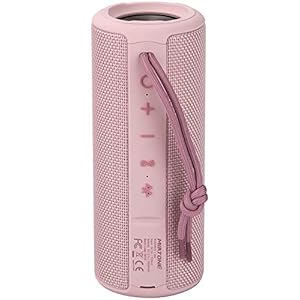
MIATONE Out of doors Transportable …
[Immersive Sound] Featuring MIATONE unique audio processing, the sound quality of BOOMBOX bluetooth speaker is significantly…

GoPro HERO12 (HERO 12) Black –…
Dive into Action: Experience the thrill of exploring the depths with the fully waterproof HERO12 Black,…

EAST MOUNT Tornado Arm Exerciser &#…
【Adjustable Resistance】Rotating the knob to easily adjust the resistance, rang 22-440 lbs free adjustment. Just rotating…