

How to Build a Simple Home Gym with Useful Fitness Gear
Setting up a home gym doesn’t require a garage full of equipment or a big budget. With a small, well-chosen set of items and a clear plan, you can create an efficient space for strength, cardio and recovery that fits into an apartment, spare room or corner of your living room.
This guide focuses on practical choices: what to buy first, how to use each item effectively, where to store gear, and how to layer tech and comfort so your gym actually gets used. Read on for a clear, step-by-step approach and a compact checklist to get you started.
1. Assess the space and set realistic goals
Measure the area you can dedicate to workouts and think about ceiling height (for overhead moves) and floor protection. Define the primary goal: strength, fat loss, flexibility, or a mix. That decision drives what gear to prioritize: free weights for strength, a jump rope or mini stepper for cardio, or mats and bands for mobility and bodyweight work.
2. Flooring and mats: protect your body and the floor
Good flooring improves safety, reduces noise and makes workouts more comfortable. For small spaces, interlocking foam tiles or a thick yoga mat are the most cost-effective options. If you plan to lift heavier weights, add a denser rubber mat under the lifting area to protect the floor and stabilize the bar or dumbbells. For general household-friendly solutions and useful home workout accessories, check options in Home Essentials.
3. Essential strength gear for every home gym
Start with a small, versatile selection that covers pressing, pulling, hinging and squatting motions:
- Adjustable dumbbells or a set of fixed dumbbells (light, medium, heavy)
- Resistance bands (several tensions) for assistance or added resistance
- A kettlebell for swings, goblet squats and carries
- A durable bench or a sturdy coffee table substitute for presses and step-ups
For compact strength tools that can broaden your routine, consider a targeted device like the EAST MOUNT Tornado Arm Exerciser, which provides adjustable resistance for upper-body work without taking up much space.
4. Cardio and conditioning on a budget
Cardio options for a small home gym should be low-footprint and versatile. Choose one or two of the following depending on space: a jump rope, a compact rowing machine, an air bike, or a foldable treadmill. High-intensity interval training (HIIT) requires minimal equipment—use bodyweight circuits, kettlebell swings and short sprints (if you have space). If you prefer guided cardio classes, an inexpensive monitor or tablet can host workout videos and timers.
5. Storage and organization: keep the space usable
A tidy gym is a usable gym. Use wall hooks, shelves and a vertical rack to store gear where it’s easy to grab and put away. A single organizer can store mats, dumbbells, bands and rollers to avoid clutter and tripping hazards. For a compact, multipurpose organizer that fits small spaces and keeps equipment off the floor, consider the Mythinglogic Yoga Mat Storage Rack.
6. Tech, sound and tracking to boost consistency
Technology can make workouts more engaging and easier to track without being expensive. Start with a plan for audio and timing: a small Bluetooth speaker keeps music and class audio clear, while a basic timer or phone app handles intervals. If you want to record form, stream workouts, or add security, a simple Wi‑Fi camera can serve multiple roles.
For reliable portable sound that’s splash-resistant and portable around the house, a compact option like the MIATONE Outdoor Portable Bluetooth Speaker is a great fit. For monitoring or recording exercises (or for added home security around your workout area), look at systems such as the AOSU Safety Cameras, which can help you review form or add peace of mind for shared spaces.
7. Recovery, mobility and self-care
Recovery gear is essential to keep you training consistently. Foam rollers, lacrosse balls, compression bands and a quality massage or stretching routine reduce soreness and improve mobility. Add products and ideas for post-workout recovery and relaxation from the site’s wellness selection for accessible recovery tools and tips. Explore recovery and relaxation categories like Wellness & Self-Care to find items that support mobility and stress relief.
8. Clothing and small accessories that matter
Comfortable, appropriate clothing influences how often you work out—moisture-wicking tops, supportive shoes and a change of clothes stored near the gym reduce friction. Don’t overlook small storage items like a headphone stand or a hook for your towel to speed setup. For workout apparel and basics, the site’s Clothing category is a practical place to source dependable pieces. A compact accessory like a headphone stand keeps audio gear accessible—consider something like the Lamicall Headphone Stand for neatness and quick access.
Quick checklist: start-up essentials
- Measure space and set clear goals (strength, cardio, mobility)
- Protect the floor: interlocking tiles or a heavy-duty mat
- Buy foundational strength gear: adjustable dumbbells, kettlebell, bands
- Pick one cardio tool: jump rope, rower or compact bike
- Get a storage rack or organizer to keep equipment tidy
- Add a speaker and a timer for motivation and structure
- Invest in basic recovery tools and at least one mobility aid
- Choose comfortable workout clothing and a dedicated spot for them
FAQ
Q: How much space do I really need?
A: You can start with as little as 4×6 feet for bodyweight and band work. For heavier lifting or cardio machines, allocate more room and allow headroom for overhead movements.
Q: What should I buy first?
A: Start with a pair of adjustable dumbbells or a basic kettlebell, a set of resistance bands, and a stable mat. These cover most movement patterns and take up little space.
Q: Do I need a bench?
A: A bench is helpful but not essential. You can substitute with sturdy furniture for many moves; however, a compact bench expands exercise options and improves safety for presses and rows.
Q: How do I keep the gym from becoming clutter?
A: Invest in vertical storage and a single organizer so everything has a place. Regularly tidy after sessions and limit purchases to items that serve multiple purposes.
Q: Is expensive tech necessary?
A: No. Start with a reliable speaker and a timer app. If you want to record technique or stream classes, a simple camera system can be added later.
Conclusion
Building an effective home gym is about prioritizing versatility, safety and convenience. Start small with multi-use gear, protect your space with proper flooring, and use smart storage so workouts are easy to start. With a few targeted purchases and a tidy setup, you’ll create a reliable space that supports consistent progress.
Products Featured in This Article

Mythinglogic Yoga Mat Storage Racks…
Metal 【STORAGE VARIOUS ITEMS】: This workout storage organizer can help to store your yoga mat, dumbbells,…
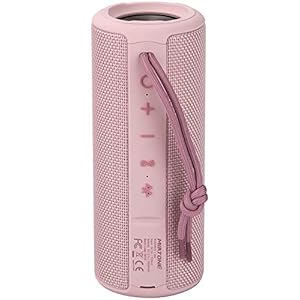
MIATONE Out of doors Transportable …
[Immersive Sound] Featuring MIATONE unique audio processing, the sound quality of BOOMBOX bluetooth speaker is significantly…

EAST MOUNT Tornado Arm Exerciser &#…
【Adjustable Resistance】Rotating the knob to easily adjust the resistance, rang 22-440 lbs free adjustment. Just rotating…

Lamicall Headphone Stand, Adhesive …
【 Easily Installation】Tear off the sticker and stick it under your desk easily without more complicated…

AOSU Safety Cameras Wi-fi Out of do…
Real 2K HD aosu WirelessCam Pro System 2 Cam Kit – Security Camera Outdoor, Wireless Home…