

Kitchen Tools That Make Meal Prep Faster and Cleaner
A well-chosen set of kitchen tools reduces time at the counter and leaves your space cleaner at the end of the meal. Small investments—smart prep surfaces, the right heat protection, quick-clean devices—add up to less hassle and better results.
If you’re refreshing your setup, start by focusing on tools that do two things: speed repetitive tasks and reduce mess. For a curated selection that covers essentials and occasional splurges, check the Home Essentials collection. For seasonal bargains and one-off finds that make prep easier, watch the Exclusive Deals section for marked-down gadgets.
1. Prep tools that save time
Prep is where most time is spent. Tools that consolidate steps or keep ingredients ready are invaluable.
- Multi-zone cutting boards: boards with juice grooves, non-slip feet and multiple surfaces (soft/plastic for raw protein, wood for veggies) let you move quickly without cross-contamination.
- Mandoline or adjustable slicer: when you need uniform slices for fast, even cooking, a quality slicer beats hand-cutting every time. Use the adjustable settings to switch between tasks.
- Good measuring spoons/cups and a digital kitchen scale: eliminate guesswork. A scale speeds batch-cooking and keeps recipes consistent.
2. Cutting and slicing: techniques and maintenance
A sharp knife and a stable board speed work and reduce accidents. Keep at least one chef’s knife and one paring knife sharp; use a honing rod daily and sharpen professionally or with a guided sharpener monthly.
- Use a damp towel under the board to prevent slipping.
- Cut in predictable patterns (rocking motion for chef’s knife, push-cut for paring) to stay efficient.
- Process similar items together—trim all veggies at once, then move to proteins.
3. Heat protection and safe handling
Heat-related stops—moving pans, pulling trays—can slow the line. Long, insulated mitts and a couple of silicone trivets keep you moving safely.
For reliable hand protection that’s easy to clean and grips well, consider a silicone oven mitt set like the KitchenAid Ribbed Soft Silicone Oven Mitt Set. They’re heat-resistant, quick to rinse, and don’t trap food particles like fabric mitts can.
4. Cleaning fast: crumbs, spills and quick pickups
Cleaning as you go keeps tasks from piling up. A few targeted tools make the difference: a small countertop scraper, a handheld vacuum or crevice tool, and microfiber cloths for quick wipe-downs.
For countertop crumbs and tight spots, adaptable nozzle sets and crevice tools are surprisingly effective—look for vacuum accessories designed to reach between appliances and under bases, such as the Frtzal vacuum cleaner accessories that include crevice attachments useful in kitchen cleanups.
5. Hand hygiene: fast, no-drip solutions
Quick, hygienic handwashing during prep prevents cross-contamination and keeps tasks moving. If you need a compact, low-mess solution for handwashing near prep stations, disposable soap sheets are convenient: they dissolve instantly and avoid sticky pump heads.
One portable option to consider for occasional or shared prep stations is the 6 Containers (300 Sheets) Mini Portable Disposable Paper Soap Sheets.
6. Hand care after heavy dishwork
Frequent washing and detergents dry hands. A fast-absorbing, fragrance-friendly moisturizer prevents cracked skin and keeps hands comfortable—important if you’re prepping several meals a week.
Consider a light barrier-repair cream like the BYOMA Moisturizing Gel Cream for quick post-shift hand care; it absorbs fast and reduces tackiness while restoring hydration.
7. Smart storage and organization
Efficient storage shortens prep time. Clear, labeled bins for staples, stackable containers for chopped ingredients, and a small shelf or cart for frequently used items keep everything within reach.
For larger items like linens and bulk recyclables, a sturdy woven bin doubles as neat storage. The KAKAMAY Large Blanket Basket works well in a pantry or under a prep counter for tidy storage of kitchen textiles or reusable bags.
8. Keep the kitchen fresh without harsh chemicals
Odors from waste, cooking oils and drains can slow workflow and make the space unpleasant. Instead of heavy aerosols, use natural scenting and odor control: baking soda in bins, vinegar for drains, and essential oil blends for subtle freshness.
A small set of blended essential oils can be used sparingly in diffusers or a quick spray (diluted with water and a touch of alcohol) to neutralize cooking odors—try a curated option like the Season Essential Oil Set for kitchen-friendly fragrances.
Quick checklist: tools to prioritize
- Sharp chef’s knife + paring knife
- Non-slip, multi-zone cutting board
- Digital scale and a set of measuring spoons/cups
- Silicone oven mitts and trivets
- Handheld vacuum/crevice tools and microfiber cloths
- Portable soap sheets or reliable liquid soap
- Moisturizer for post-wash care
- Stackable storage containers and a large woven bin
- Small essential oil set for odor control
FAQ
Q: What three tools will speed up most home meal prep?
A: A sharp chef’s knife, a stable cutting board, and a digital scale—together they reduce chopping time and eliminate guesswork.
Q: Are silicone oven mitts better than fabric?
A: Silicone mitts resist heat and liquids, are easy to rinse, and don’t absorb food. Fabric can be more comfortable but requires more laundering and can hold stains and bacteria.
Q: How can I keep surfaces clean while cooking without interrupting prep?
A: Wipe as you go: keep a dedicated damp microfiber cloth in one hand and a garbage bowl for scraps at your side. Use a small handheld vacuum or crevice tool for crumbs between tasks.
Q: How often should I sharpen knives?
A: Hone the blade with a rod weekly for regular cooks; sharpen with a guided sharpener or professional service every 2–6 months depending on use.
Q: Can essential oils be used directly in the kitchen?
A: Use essential oils sparingly and always diluted. For open diffusers or a spritz bottle mix (water + small amount of alcohol or solubilizer), test a small area to ensure no staining or surface reaction.
Conclusion
Focus purchases on tools that save repeated steps and simplify cleanup: a few smart investments (knife care, heat protection, quick-clean devices, and sensible storage) will shave prep time and keep your kitchen cleaner with less effort. Start by checking essentials and seasonal deals to upgrade efficiently and affordably.
Products Featured in This Article


KitchenAid Ribbed Gentle Silicone O…
DURABLE, HEAT RESISTANT SILICONE – The Kitchen Aid Ribbed Soft Silicone mitts are heat resistant up…
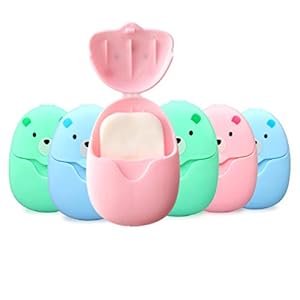
6 Containers (300 Sheets) Mini Tran…
Portable Size: The soap paper set is small and lightweight, easy to carry in your bag…

Frtzal 10Pcs Black Vacuum Cleaner E…
Compatible Models: Fits Most Standard Vacuum Cleaners With 1" to 5" Attachments Complete Set: The set…

KAKAMAY Massive Blanket Basket (20&…
100%Cotton 【100% NATURAL HANDMADE】:100% cotton rope,soft material without any chemicals woven basket. There are No plastics….
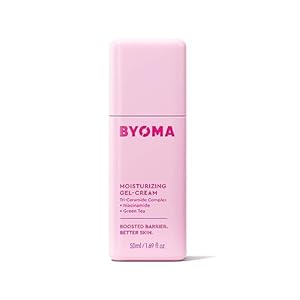
BYOMA Moisturizing Gel Cream –…
BARRIER BOOSTING: Blending our unique barrier boosting Tri-Ceramide Complex (ceramides, cholesterol, fatty acids) with superstar actives…